Consulting · concept · design

Vehicle design that takes your brand onto the road

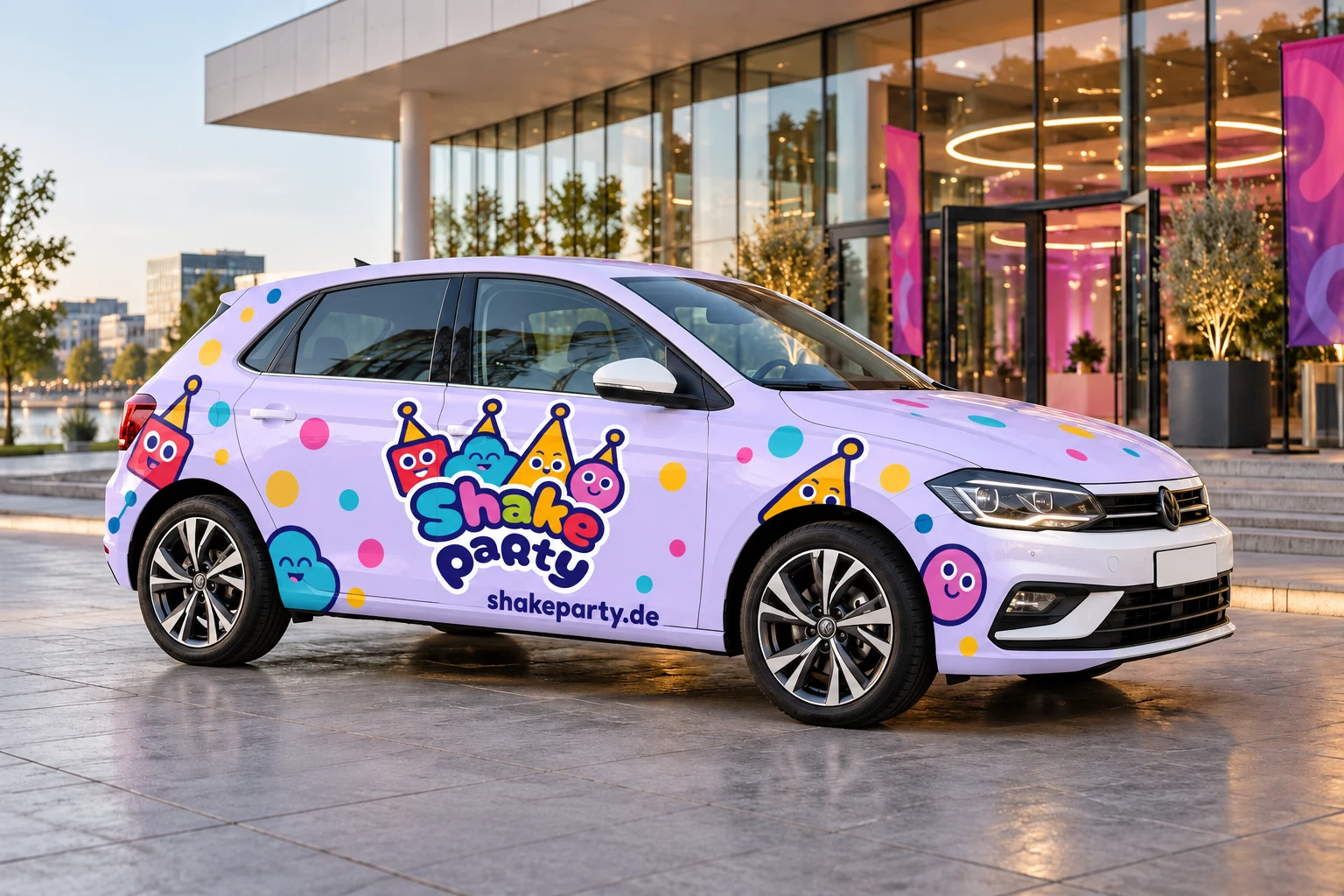
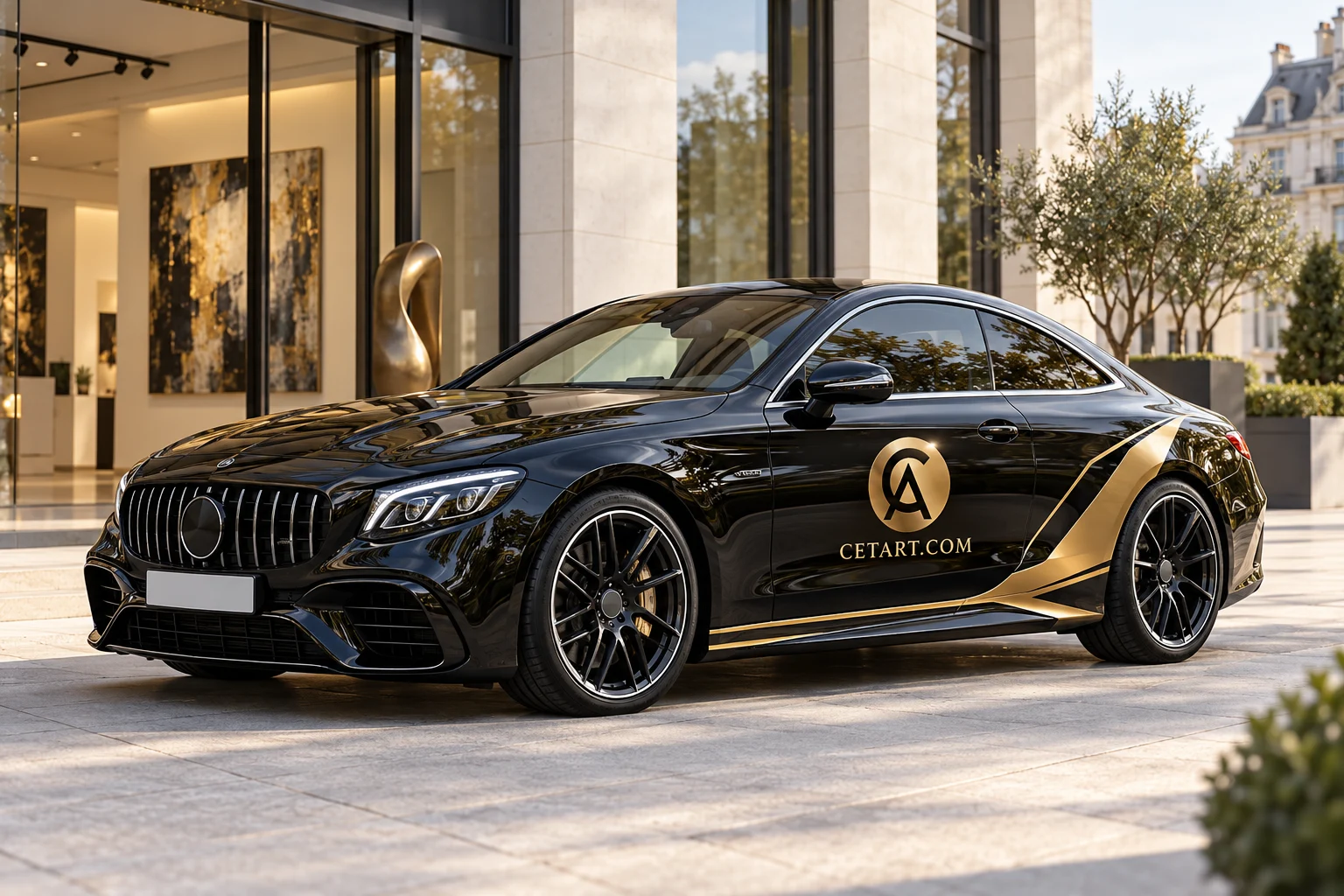
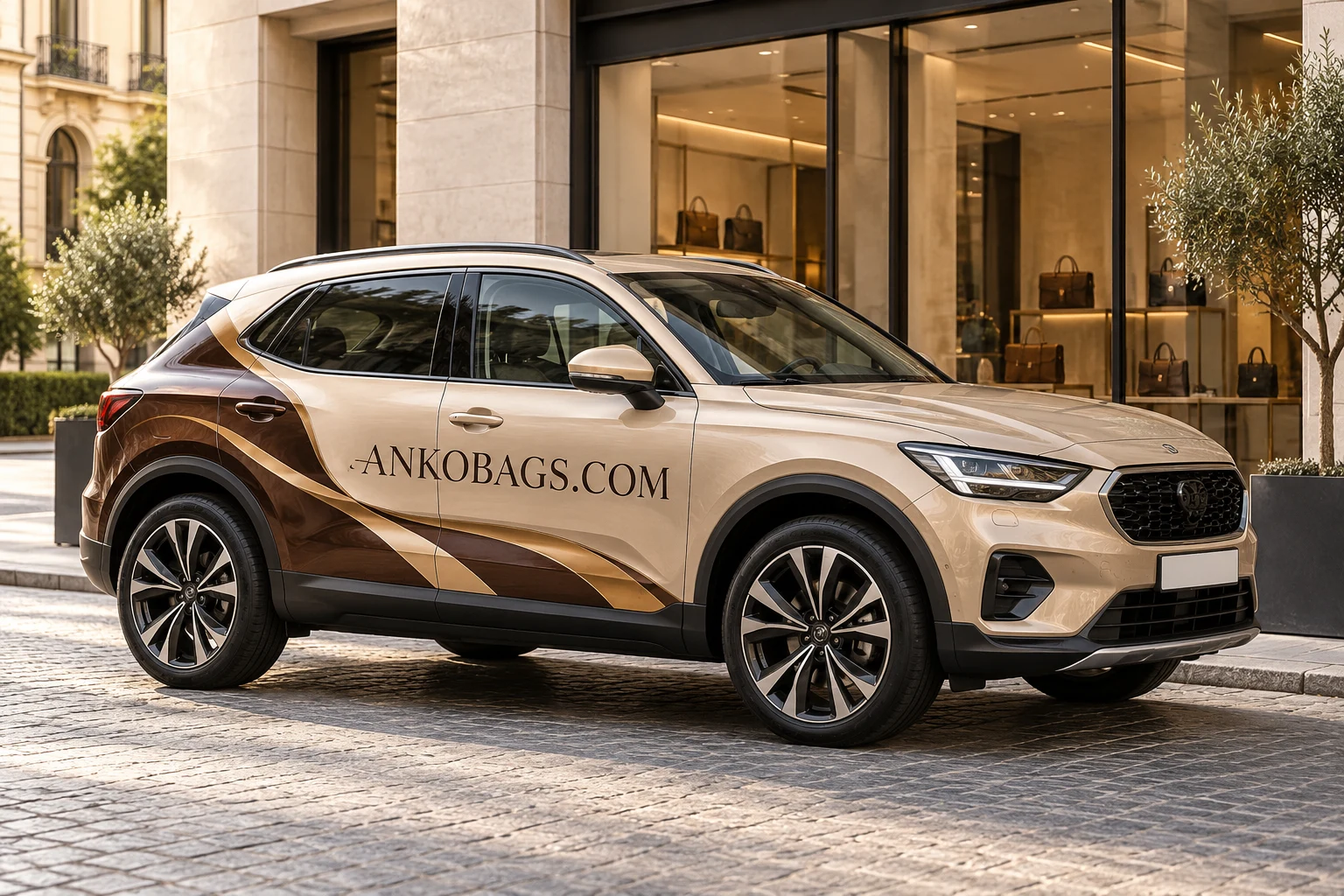
A vehicle has different proportions from a business card or website. HOTIM translates your brand into a clear design that works at a distance and prepares the graphic handover to the specialist contractor appointed later.

What to include in your design brief

Describe who should notice the vehicle and which message must be clear first. The following material helps us assess the scope:

  • Vehicle model, year and body variant, with photos of both sides, rear and front.
  • Logo and existing design files, brand colours, main service and preferred contact route.
  • Number of vehicles, planned variants and existing lettering; name the person responsible for approval.


What you receive at graphic handover

Before work begins, we agree the vehicle views, design scope, review rounds and file formats. The agreed result includes approved views, the corresponding graphic files and a clearly identified approval version. Additional vehicle variants and later changes are agreed separately.

  • HOTIM records the graphic decision and the files agreed for handover.
  • The executing contractor checks measurements, cut contours, print profiles, materials and technical production data. Design approval does not replace the contractor’s technical approval.

What determines the design effort

The number of vehicle types, quality of existing logos and files, number of design and revision rounds, and fleet adaptations affect the effort. HOTIM agrees the design fee in advance; production and installation are arranged separately with the specialist contractor.

From communication objective to design

The process begins with the target audience, operating area, viewing angles and the main message. This creates a robust design grid rather than surface decoration.

  • Brand hierarchy
  • Legibility at a distance
  • Contact route
  • Adaptation to the vehicle

Graphic handover with a clear boundary

HOTIM supplies approved graphic design files. Exact dimensions, panel joins, print profiles, contours and production-ready artwork are prepared and approved by the executing contractor.

From vehicle photos to a layout: a mobile bicycle repair service

Illustrative design exercise, not a customer commission. A fictional mobile bicycle repair service wants pedestrians to understand its offer beside a parked panel van. Drivers waiting behind it should be able to read the website address.

StepWhat changes in the layout
Review photos and artworkThe photo with the sliding door shut suggests space for a line of text. A second photo with the door open shows which part disappears during a service call. The logo is available as vector artwork.
Compare two layoutsThe first layout splits “Mobile bicycle repairs” across a door seam. The second keeps the words on one panel. The logo sits on the front door; the rear shows the website address without repeating a full service list.
Approve the artworkPlace the side and rear views together. The customer checks the wording, website spelling and placement. A dated proof records the approved version.
Hand over to the installerThe separately appointed specialist receives the approved views and agreed artwork files. They check dimensions, panel divisions and the surface on the actual van before authorising production.
NEXT STEP

Clarify the project first. Then commission each responsibility properly.

Your enquiry is non-binding. HOTIM and the specialist contractor appointed later remain legally separate providers with separate quotations, contracts and invoices.

Request a project