1. Record the exact equipment, not just the model
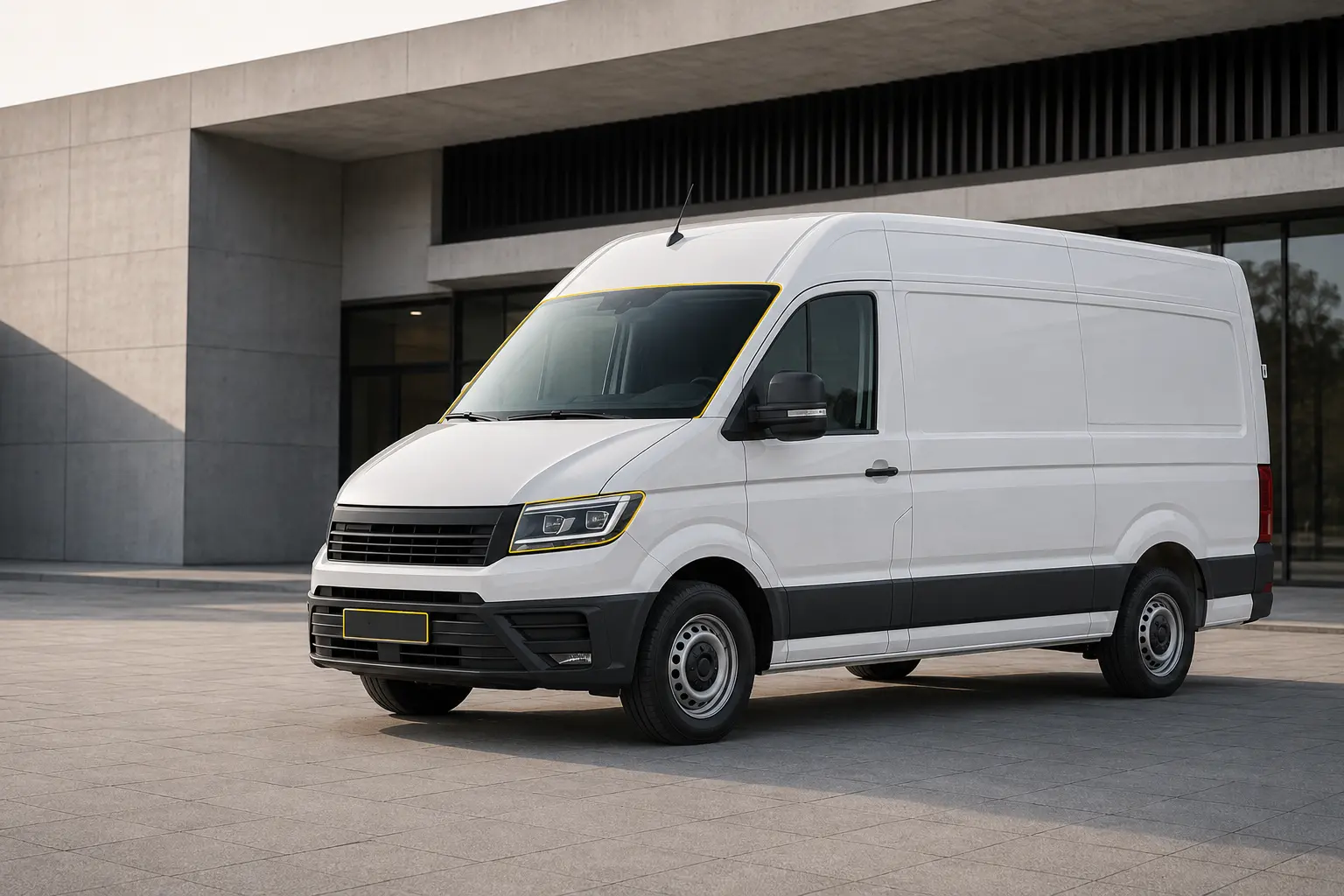
Cameras, radar and ultrasonic sensors can move between model years, equipment levels and body variants. Charging ports, flaps, handles and safety markings also differ.
Use vehicle-specific documents, exact equipment data and current photographs for the brief. The physical vehicle inspection remains decisive.
2. Treat sensors and cameras as exclusion zones
Advanced driver-assistance systems form part of the vehicle’s approved equipment. Graphics must not impair detection areas, covers or service access. A seemingly plain bumper may contain sensors.
Known zones are excluded in the design. Before production, the contractor checks the artwork against manufacturer information and the actual vehicle.
- Forward and surround-view cameras
- Radar and ultrasonic areas
- Lights, reflectors and number plates
- Charging, service and towing access
- Handles, seals and moving flaps
3. Design around the charging port
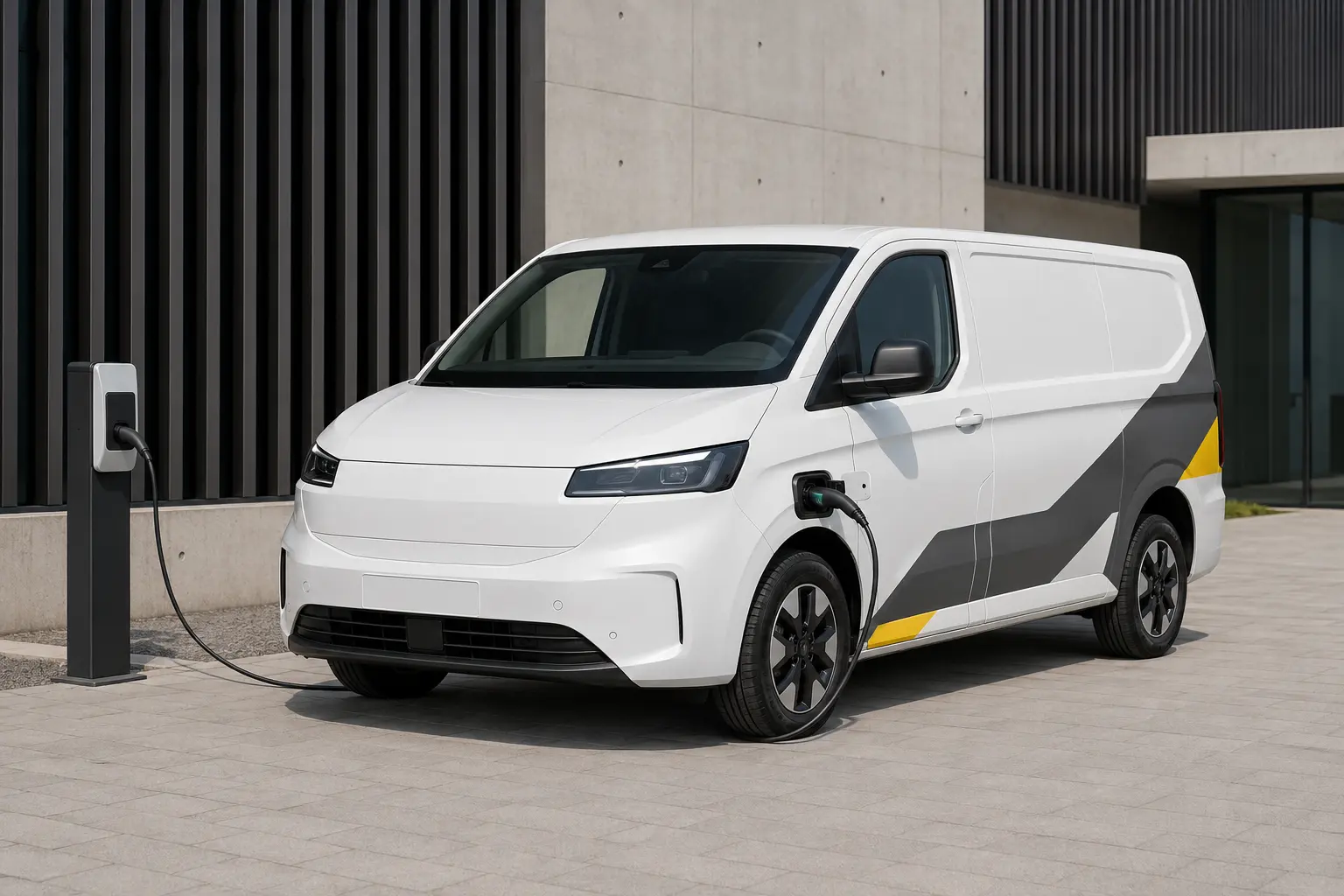
The port must remain easy to use, visible and free from problematic film edges. Allow for flap movement, cable access, cleaning and any manufacturer guidance.
A graphic can visually integrate the zone without crossing the connector, seal or mechanism.
4. Confirm leasing terms in writing
Leasing conditions are not universal. Check whether wrapping is permitted, whether consent is needed, what the return standard requires and who pays for professional removal and any paint inspection.
Document starting condition, approval, material system, installation date and expected removal date. Do not rely solely on verbal statements.
5. Plan fleet operation and return
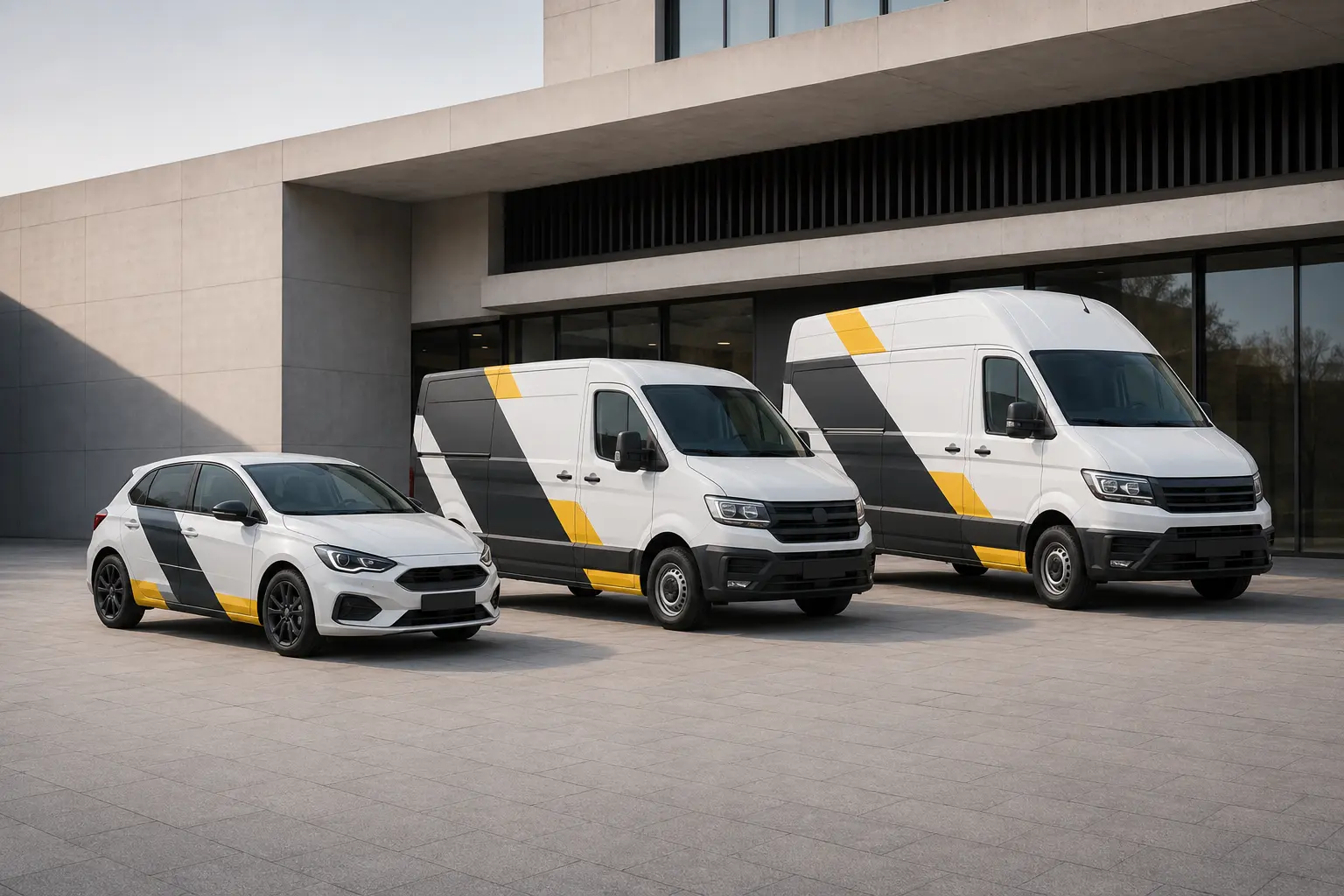
For several EVs, include charging routines, workshop appointments and operational downtime in the rollout. Allow sufficient time for removal, cleaning and a joint condition review before return.
HOTIM plans the visual system; technical interventions, removal and vehicle-condition statements remain with the commissioned contractor or contractual counterparty.