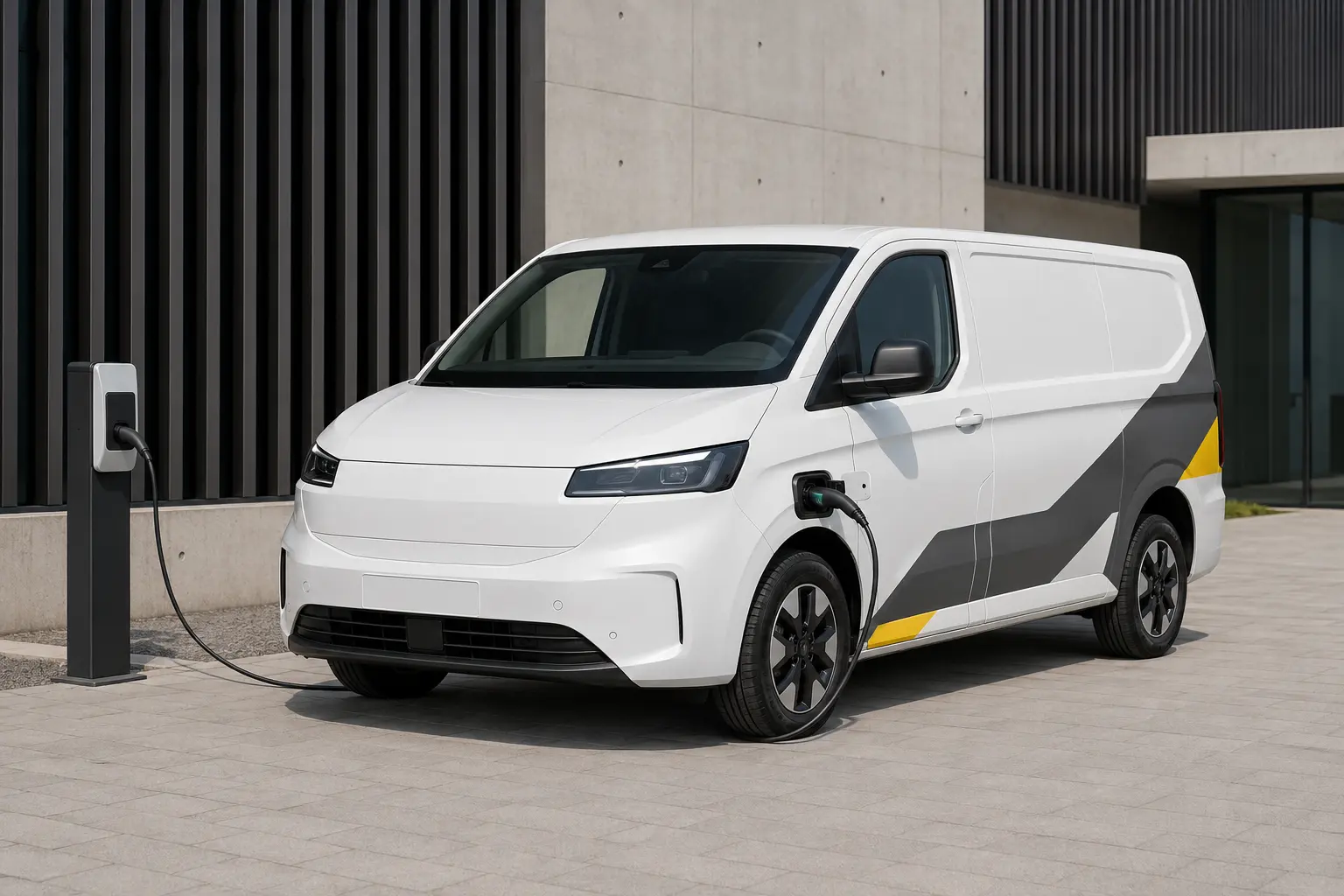
1. Design approval is not technical approval
A concept can show how the brand and message work on the vehicle. Whether a specific surface may be covered, which system is suitable and whether any equipment would be impaired can only be decided on the actual vehicle.
HOTIM flags critical zones during design. The independently commissioned specialist contractor then verifies the exact variant, components, material and installation method.
2. Keep sightlines and relevant glazing clear
Section 35b StVZO requires an adequate field of vision. Section 40 addresses clear, light-transmitting and distortion-free safety glazing relevant to the driver’s view. A blanket statement that a particular window can always be covered is therefore not a reliable project rule.
Plan glazed areas separately. Required visibility, vehicle class, glazing type, any necessary approvals and the proposed film need a technical assessment.
- Do not treat the windscreen or front side windows as ordinary advertising areas
- Allow for mirrors, cameras and driver sightlines
- Use perforated window film only after vehicle- and system-specific approval
- Do not cover markings or approval information
3. Keep number plates fully visible
Section 12 FZV states, among other things, that plates must not reflect, be obscured or carry prohibited covers. Their prescribed mounting, visibility, lighting and legibility must not be affected by graphics, film or accessories.
The design should leave a practical safety margin around plate and lighting areas. The contractor then checks real brackets, tailgates, light carriers and moving parts.
4. Protect lights, reflectors and functional zones
Mandatory lighting equipment must remain correctly installed and operational. Headlamps, indicators, tail and brake lights, reflectors and number-plate lighting are therefore kept clear.
The same practical caution applies to door gaps, handles, seals, emergency openings, safety-related markings and camera, radar or ultrasonic zones. Exact positions can differ by model year and equipment level.
5. Use a pre-production checklist
Before production, inspect the vehicle against the approved concept and technical information. Any differences should be incorporated into a clearly revised approval version.
- Exact vehicle and equipment confirmed
- Glazing and sightlines reviewed
- Plates, lights and reflectors clear
- Sensors, cameras, charging and service openings clear
- Material system and relevant evidence confirmed
- Technical production approval documented separately
Official and specialist sources
- Bundesministerium der Justiz / Bundesamt für Justiz§ 35b StVZO – Einrichtungen zum sicheren Führen der Fahrzeuge
- Bundesministerium der Justiz / Bundesamt für Justiz§ 40 StVZO – Scheiben, Scheibenwischer, Scheibenwascher
- Bundesministerium der Justiz / Bundesamt für Justiz§ 49a StVZO – Lichttechnische Einrichtungen
- Bundesministerium der Justiz / Bundesamt für Justiz§ 12 FZV – Ausgestaltung und Anbringung der Kennzeichen